


| Category | Interventional Radiology |
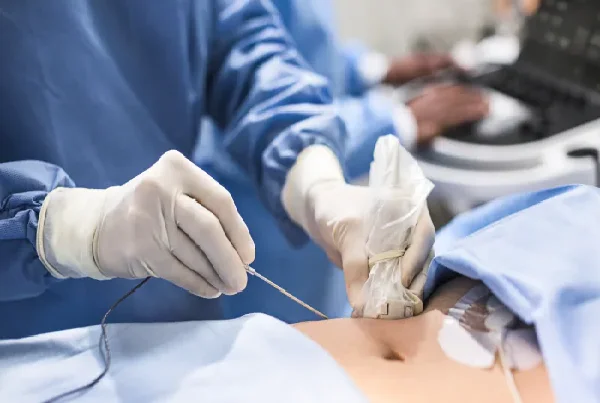
Interventional radiology (IR) is a partly surgical discipline where the doctor performs minimally invasive procedures under image guidance. The performer can take the guidance of either ultrasound, CT scan or DSA and can reach even the most unreachable areas. In IR the doctor uses image guidance to see inside the body and reach the site of problem with sophisticated instruments to treat the condition without an actual surgery.
The services provide both diagnostic and treatment facility with and is minimally invasive. The treatment is done from a pinhole and is standard of care now for many cancerous and non-cancerous conditions. Interventional radiology treatments have become the primary method of care offering less risk, less pain, and less recovery time, compared to open surgery.
For diagnosis, the IR can take samples for biopsy/FNAC under image guidance and make a diagnosis. For therapeutic or treatment purposes IR has potential in almost all areas. Any bleeding artery or vein can be closed from the inside without major surgery using blocking materials like in cases of bleeding from the mouth, lungs, rectum or brain hemorrhage. Similarly, any blocked artery or vein can be opened without surgery using angioplasty balloons and can restore the flow. This is required in conditions where blood flow stops or gets reduced due to narrowing in the blood vessels. Such conditions include stroke, TIAs and gangrene etc. The results are long-lasting and promising.


